
The Body of the Queen and the State
Wolf HallThis thread traces how women’s reproductive bodies become the terrain on which dynastic legitimacy and political power are contested.
increasing Bearing strength in each event
 decreasing
Bearing strength in each eventdecreasingKatherine’s Failed Pregnancies
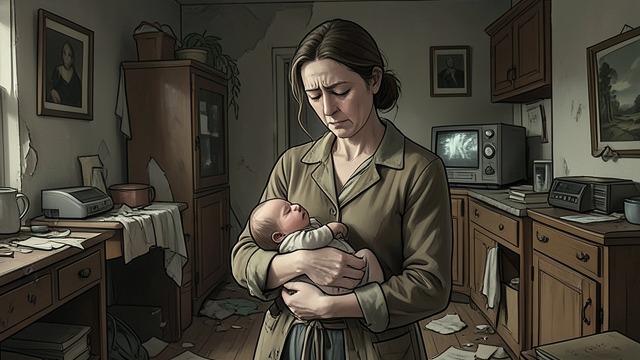
The Heir Question
A marriage measured by children
Henry and Katherine’s marriage is repeatedly judged through pregnancies, births, and infant deaths. The loss of sons becomes the king’s central argument for seeking a new marriage.
A woman’s testimony
Katherine refuses to accept that reproductive failure proves divine judgment or invalid marriage. Her own account of her body challenges a political interpretation imposed by men.
Anne’s Pregnancy as Proof
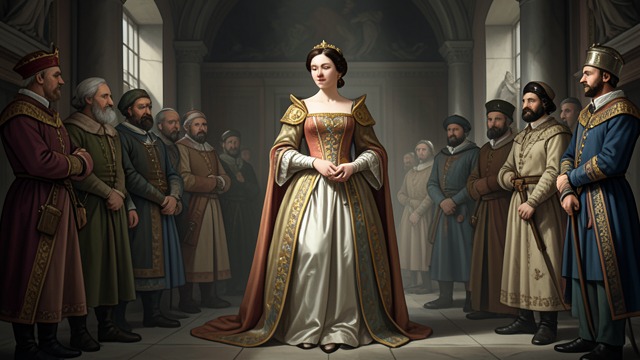
A Queen Expected to Deliver
Public hope
Anne Boleyn’s pregnancy is treated as the promise that will secure the Tudor succession. Her coronation makes the unborn child part of the kingdom’s political future.
Uncertainty beneath ceremony
The court announces expectations before a child is born. The novel emphasizes how ceremonies cannot control the biological risks that women bear.
Miscarriage and Blame
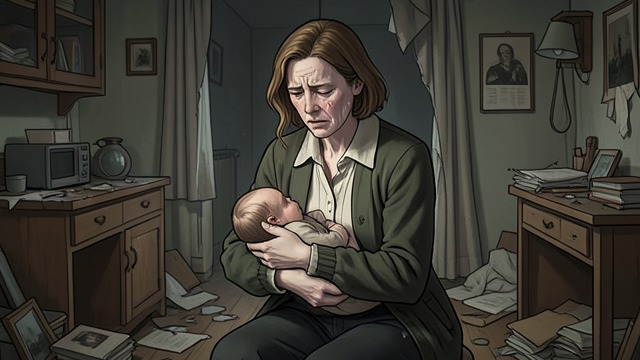
Hope Reverses
A pregnancy lost
Anne miscarries, intensifying Henry’s grief and fear that he may never have a legitimate son. Court rumours and competing explanations quickly surround the loss.
The burden assigned to women
The king’s disappointment becomes suspicion directed at Katherine and anxiety about Anne. The episode exposes how a woman’s body is treated as evidence for dynastic policy.
1509–1527
1533
1534
